Wearing Vintage
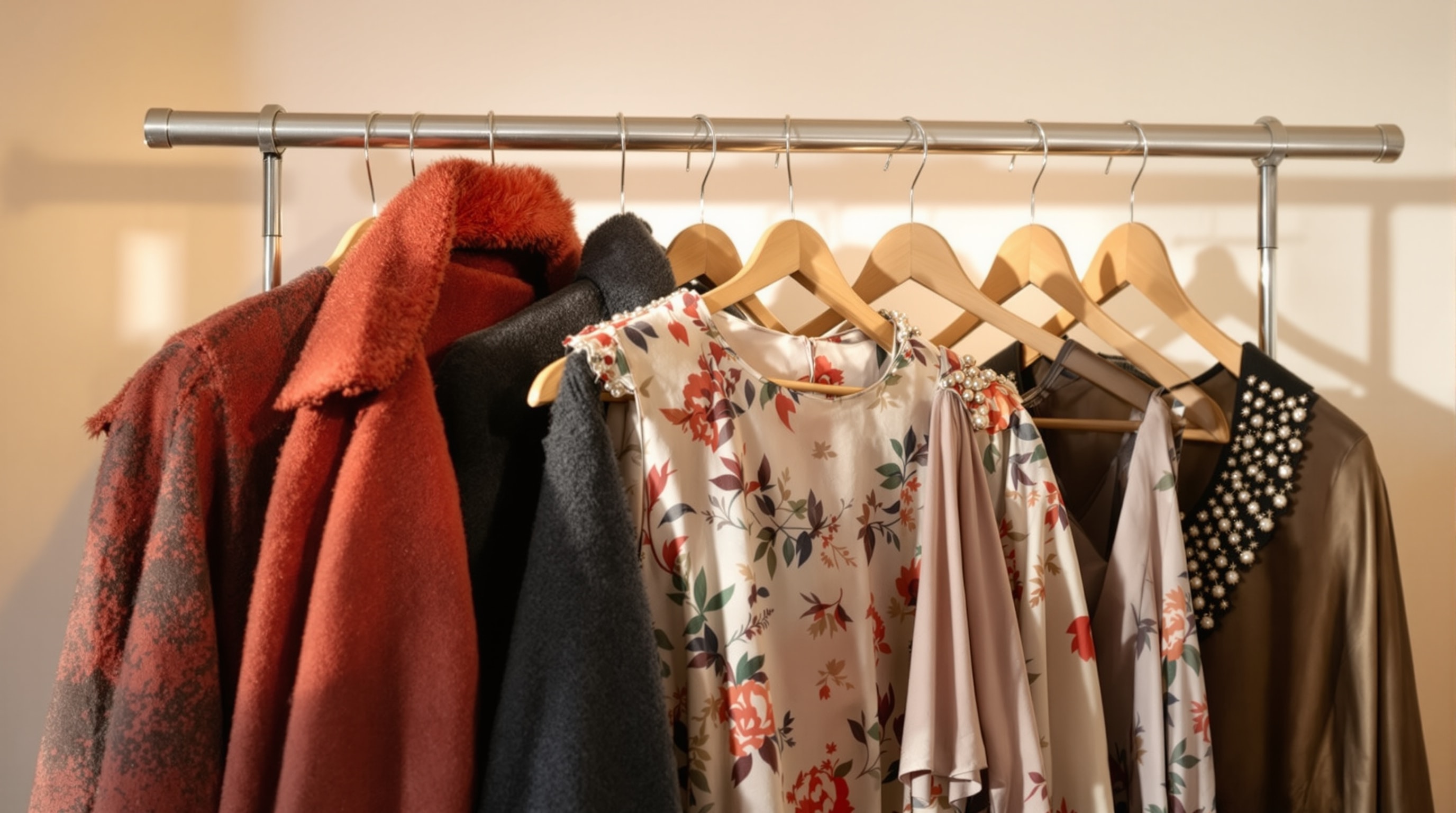
People who already wear vintage find this hard to credit, but the most common reason someone does not start is the fear of getting it wrong — of looking like they are in costume, or like they have been rummaging. It is worth saying plainly that this worry has no basis. There is no correct way to do it, there is no one keeping score, and the freedom is most of the point.
There is no wrong answer
You can wear a complete period look, assembled with real care from head to foot. You can wear a 1970s sweater with the jeans you already own. Both are legitimate and neither is more authentic than the other. Nobody is going to notice that a 1950s knit has been paired with 1970s trousers, and if they do notice, they are almost certainly pleased rather than offended.
The easiest way in is a single piece. A vintage bag, a pair of earrings, a coat over otherwise modern clothes. It requires no commitment and it teaches you quickly what you actually like, which is different from what you thought you would like. The compliments arrive faster than expected, and each one makes the next step easier.
On looking dated
The fear of looking old-fashioned is misplaced for a reason that is easy to check: the high street is already full of imitations. Cheap versions of 1920s dropped-waist dresses, 1950s full skirts and 1960s shifts are in production continuously, in worse fabric and with worse finishing than the originals. If the silhouette were genuinely unwearable, it would not be on sale everywhere in reproduction. Given that it is, the argument for the real thing is straightforward.
Why the construction is better
This is not nostalgia; it is a fact about manufacturing. Fast fashion did not exist before the 1980s. Garments were made in far smaller quantities, frequently by hand or by a single machinist rather than on a line, and cloth was expensive enough that it was worth the labour to use it well. That shows up in things you can see and feel: seam allowances finished by hand, hems rolled rather than fused, beading and embroidery applied individually, linings cut and fitted as separate garments.
The test is simply endurance. A dress from the 1950s is still here, still sound, still wearable seventy years on. It is worth asking whether a comparable garment bought today will be in any condition at all in seventy years — and the honest answer is that it will probably still exist, because most of what it is made of does not break down, but it will not be something anyone wants to wear. Longevity of the material is not the same as longevity of the garment.
The one genuine difficulty
Uniqueness cuts both ways. Because pieces were made in small runs and have survived individually, no two are the same — which is the appeal, and which also means that finding the right thing in the right size takes longer than shopping normally does. There is no rack of the same dress in six sizes.
The answer is preparation rather than persistence. Know your measurements before you start looking, in inches, and disregard every size label you see; period sizing is not comparable to modern sizing and was not internally consistent either. The measurement guide covers how to take them and how much ease to allow. Any source worth using publishes full measurements for each garment, and the ones that do not are telling you something.
The second answer is to be honest about what can be altered. A vintage garment can usually be taken in, occasionally let out a little, and almost never reshaped — so buy for the shoulders and the bust and treat the waist as the adjustable part. Assessing a vintage wedding dress covers the limits in detail, and applies equally to anything else.
Closures and accessories
Understand the opening before putting a garment on. A concealed hook may sit beyond the visible row, and a waist stay may fasten separately from the outer fabric. Open each part fully instead of stretching the neckline to make an entrance. When closing hooks, bring the edges together first; the hook should meet its bar without being used to haul the fabric across a gap.
Choose accessories with the surface of the garment in mind. A rough bag clasp can catch net, and an exposed buckle can pick up a loose embroidery thread. Keep their moving edges away from delicate areas. Check the underside of a brooch before allowing it to rest against lace.
After wear, release the closures individually. Let the garment rest fully supported while checking for loose threads or a fastening that has begun to pull away.
What to expect
Some things will not work and that is part of it. Colours behave differently in older dyes, older fabrics move differently on the body, and armholes are cut higher than you are used to. But the pieces that do work tend to become the things you wear for years, because they were not designed to be replaced next season and they do not look like anything else.
If you want a sense of what the eras actually look like before choosing, the era pages run from Victorian through to the 1990s.
Nothing described here is for sale, in stock, or available to order.